Tropical apartment living offers a lifestyle that feels worlds apart from conventional urban residences. Whether you're drawn to the idea of year-round warmth, ocean access, or a more relaxed pace of life, living in a tropical apartment community requires understanding what sets this experience apart. From climate considerations to community dynamics, here's what you need to know before making the move.
Why Tropical Living Attracts Forward-Thinking Residents
More people are choosing tropical destinations for permanent or semi-permanent residency each year. The appeal goes beyond postcard-perfect beaches. Modern tropical apartment communities like those in emerging innovation hubs offer residents a chance to live intentionally, surrounded by like-minded individuals who value both quality of life and meaningful work.
Tropical living often attracts digital professionals, entrepreneurs, and investors seeking an alternative to traditional city centers. The combination of natural beauty, lower cost of living in many cases, and access to global communities creates an environment where you can live, work, and thrive on your own terms.
Climate Considerations for Tropical Apartments
Understanding the tropical climate is essential before committing to apartment living in a warm-weather destination. Here's what to expect:
- High humidity levels year-round that require proper ventilation and moisture management
- Consistent warm temperatures with minimal seasonal variation
- Distinct rainy and dry seasons that affect weather patterns
- Strong UV exposure that impacts both health and property maintenance
- Hurricane season considerations in certain regions, including hurricane-resistant construction standards
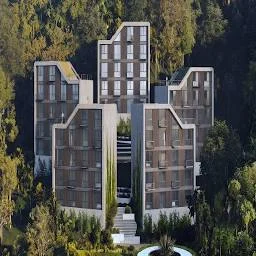
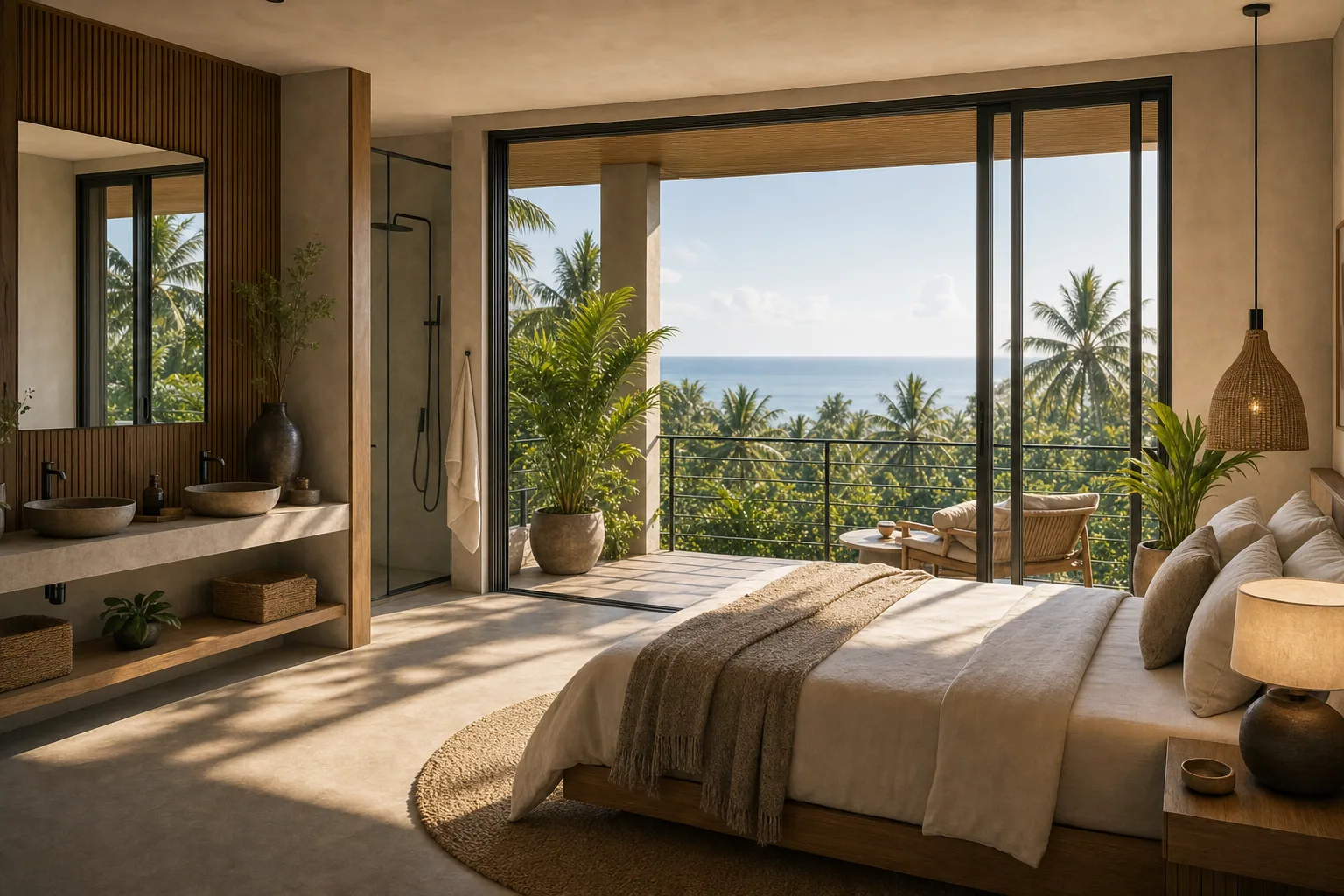
Modern tropical apartments address these challenges through smart design. High ceilings like the 3-meter ceilings found in contemporary buildings improve air circulation naturally. Large windows and balcony access provide cross-ventilation without requiring constant air conditioning. Smart infrastructure can include automated systems that optimize climate control based on time of day and weather conditions.
Smart Infrastructure and Modern Design
Today's tropical apartments aren't your typical island dwellings. Forward-thinking developers blend contemporary architecture with technology that makes living in a tropical environment more comfortable and efficient.
Smart infrastructure in modern tropical apartments typically includes climate management systems, energy-efficient appliances, water systems designed for tropical conditions, and connectivity solutions that support remote work. These features ensure that your tropical paradise also functions as a comfortable, connected home.
Design-wise, tropical apartments prioritize flow between indoor and outdoor spaces. Multiple balconies, open-plan layouts, and strategically placed windows maximize natural light and ventilation. Efficient floor plans, like apartment designs ranging from 57.5 square meters to 96.5 square meters, provide comfortable living without unnecessary excess.
Community and Lifestyle Integration
One of the most compelling aspects of tropical apartment living in an established community is access to shared spaces and a curated social environment. Ground-floor coworking and cafe spaces designed for residents and the broader community create natural gathering points. These aren't just amenities, they're social infrastructure that builds connection.
When residents and outside visitors mix in shared spaces like industrial-chic cafes with jungle views, the result is a vibrant community rather than an isolated complex. You're part of something larger: a lifestyle defined by freedom, innovation, and intention.
Investment Potential in Emerging Communities
Tropical apartments in emerging innovation-focused communities often present dual appeal: a place to live and an investment opportunity. Many buyers in these markets explore property management options that generate income while they enjoy their residence part-time.
This flexibility attracts investors who want exposure to growing destinations without the burden of managing properties remotely. Short-term and long-term management options allow owners to generate revenue from their investment, making tropical apartment ownership a practical financial decision alongside a lifestyle choice.
The development stage of the community matters. Early-phase buildings in master-planned communities often see appreciation as infrastructure improves and the destination gains recognition. Being part of the first residential delivery in a larger project positions owners to benefit from the community's growth trajectory.
Making the Transition
Moving to tropical apartment living is a significant life change. Before committing, consider spending time in your chosen destination during different seasons. Experience the humidity, the weather patterns, and the pace of life. Connect with other residents to understand the practical realities beyond the marketing materials.
Think about your goals: Are you seeking a year-round home, a seasonal escape, or an investment opportunity? Do you need strong coworking infrastructure to support remote work? Are you drawn to the community aspect or do you prefer privacy? These questions will help you evaluate whether tropical apartment living in a specific community aligns with your vision.
Tropical apartment living represents a different philosophy about how to live. It's not about escaping, it's about being intentional about where you spend your time and who you spend it with. If you're drawn to modern design, reliable smart infrastructure, and a global community of forward-thinking residents, this lifestyle may be exactly what you're seeking. Start a conversation with developers and residents to learn more about opportunities in communities built with your values in mind.