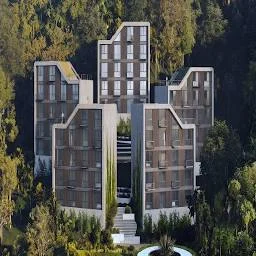
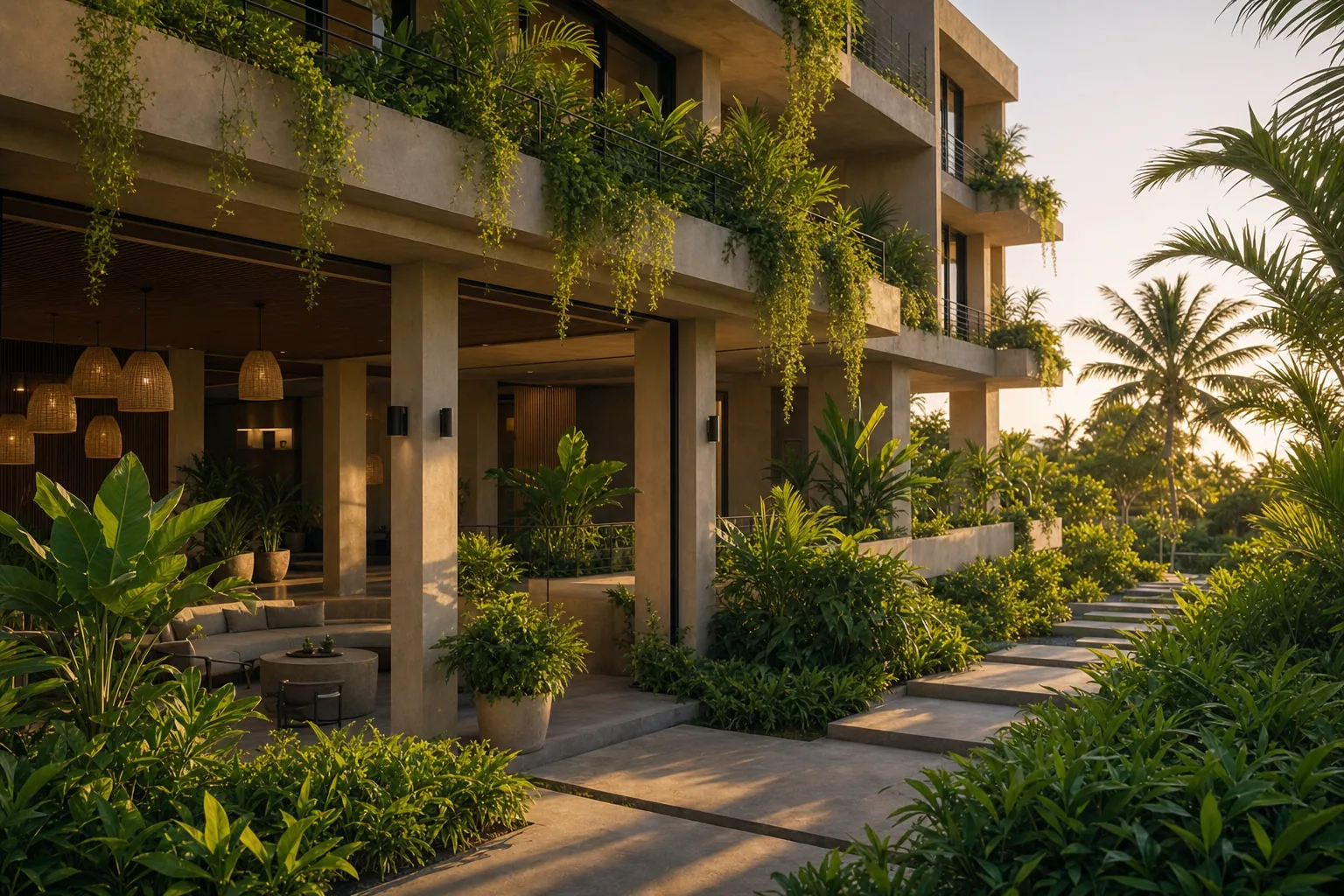
Contemporary architecture in residential design has reshaped how people envision their homes. Gone are the days when function alone defined a living space. Today's homeowners seek residences that seamlessly blend aesthetics, innovation, and purposeful design. Understanding the principles of modern architecture homes helps you recognize quality construction and spaces that truly enhance daily life.
What Defines Contemporary Architecture
Contemporary architecture in residential settings emphasizes clean lines, open floor plans, and a philosophy of "form follows function." Unlike period-specific styles, contemporary home architecture evolves with current needs and technologies. It prioritizes natural light, efficient use of space, and visual simplicity without sacrificing comfort or sophistication.
The hallmark of contemporary architecture is its refusal to be ornamental for ornament's sake. Every design choice serves a purpose. A sweeping balcony frames a view and creates indoor-outdoor flow. Large windows flood living areas with daylight while reducing artificial lighting needs. Materials like concrete, glass, and steel celebrate their honest qualities rather than hide behind finishes.
This approach appeals to forward-thinking residents who value intentional design. They recognize that a well-designed space reduces stress, improves productivity, and creates an environment where life unfolds naturally.
The Role of Smart Infrastructure in Modern Design
Contemporary apartment design increasingly integrates smart home technology from the ground up, not as an afterthought. Building automation systems, energy-efficient climate control, and intuitive lighting design are now foundational elements.
Smart infrastructure in contemporary homes offers tangible benefits:
- Energy efficiency through automated HVAC and lighting systems
- Enhanced security with integrated access and monitoring
- Convenience via centralized controls for temperature, lighting, and entertainment
- Water conservation through efficient fixtures and monitoring
- Improved indoor air quality with modern ventilation design
When technology integrates seamlessly into residential design, inhabitants experience greater comfort without visible clutter. The home becomes responsive to its occupants' needs rather than requiring constant manual adjustment.
Spatial Planning and Open-Concept Living
Contemporary residential design typically embraces open-plan layouts that break down walls between kitchen, dining, and living areas. This approach maximizes perceived space, encourages natural light penetration, and fosters connection among household members.
However, smart open-concept design maintains zones. Clear delineations using materials, levels, or strategic furniture placement provide definition without walls. Private bedrooms offer retreat and quiet, while communal areas flow together for interaction.
Efficient spatial planning also means every square meter serves a purpose. High ceilings typical of contemporary apartment design amplify the sense of openness while improving air circulation. Strategic balconies extend living space outdoors, creating room without adding square footage. These thoughtful proportions ensure that modern residential design feels generous rather than cramped, regardless of the apartment's total size.
Materials and Finishes in Contemporary Homes
Contemporary architecture celebrates honest material selection. Rather than disguising surfaces, modern homes showcase what they're made of. Polished concrete floors, natural wood accents, glass partitions, and brushed steel fixtures create visual interest through authenticity.
This material honesty serves practical purposes too. Concrete and tile are durable and easy to maintain in tropical climates where humidity and salt air present challenges. Large windows demand quality glass and weatherproofing. These material choices aren't decorative decisions but functional ones that support longevity.
Natural materials play a balancing role in contemporary design. Wood elements warm minimalist interiors, while indoor plants and jungle views soften hard surfaces. The result is sophisticated without feeling cold or sterile, a quality essential for residences that serve as genuine homes rather than showrooms.
Creating Community Through Shared Spaces
Modern residential design extends beyond individual units into the broader community. Thoughtfully designed shared spaces transform a collection of apartments into a genuine neighborhood. Ground-floor coworking and cafe spaces serve this function beautifully, creating hubs where residents and the larger community naturally connect.
These shared amenities reflect a shift in how people live and work. Remote work and flexible schedules mean residents benefit from on-site collaboration spaces. A cafe becomes more than a convenience, it's a gathering point. Coworking areas serve professionals who might otherwise work in isolation.
When designed with intention, these communal spaces strengthen resident relationships and create the informal interactions that build community. Industrial-chic interiors with thoughtful views encourage people to linger, creating natural social touchpoints.
The Investment Case for Contemporary Homes
Contemporary apartment design appeals to investors for practical reasons beyond aesthetics. Properties built on these principles tend to maintain appeal across changing market preferences because they prioritize timeless design principles over trendy flourishes.
Smart infrastructure increases operational efficiency and reduces long-term maintenance costs. Energy-efficient systems lower utility expenses. Quality materials and honest construction reduce unexpected repairs. These factors improve cash flow for investors managing rental properties.
Further, contemporary design attracts quality residents and tenants. Forward-thinking individuals willing to invest in emerging communities value the lifestyle these homes offer. This resident profile typically correlates with longer stays and property care.
Bringing It Together
Contemporary architecture in residential design represents far more than an aesthetic choice. It's a philosophy that integrates smart planning, honest materials, community consideration, and forward-thinking functionality. Whether you're seeking a personal residence or evaluating investment property, contemporary homes deliver enduring value through thoughtful design.
The most successful contemporary residences don't feel designed at all. They simply make life easier, more connected, and more enjoyable. They respond to how modern people actually live, work, and build community. As you explore residential options, look for these principles in action. Buildings 6 and across Prospera demonstrate how contemporary architecture creates homes built for the future while serving residents today.